Fitness Doesn’t Have to Be Complicated to Be Effective
Richie Ramirez • February 18, 2026
The Trap: Replacing Hard With Comfortable
If there’s one thing I’ve seen over the years—both in the fire service and at Roswell CrossFit—it’s this:
Book Free Intro
Most people don’t fail because they didn’t do enough.
They fail because they tried to do too much.
Right now (and honestly for years now), the message out there is:
Work harder. Train longer. Add more. Do more cardio. Add more lifts. Stack more programs.
But fitness doesn’t reward chaos.
It rewards intention.
The Trap: Replacing Hard With Comfortable
Here’s what usually happens.
Someone starts with a simple, effective plan. Maybe something like:
Day 1:
Run 400 meters
20 push-ups
5 rounds, as fast as possible
Day 2:
500m row
Pull-ups
Walking lunges
Day 3:
5rds of: 3:00 WORK/1:00 REST
10 Moderate to heavy deadlifts
Max Burpees with remains time
Day 4:
Rest or longer conditioning piece
AMRAP 30
Bike 1000m
30 Sit-ups
30 Reps of Light dumbbell work (lunges, goblet squats, shoulder press)
Simple. Focused. Effective.
But then human nature kicks in.
“That looks like a lot of running.”
“Deadlifts look heavy… I don’t want to hurt my back.”
“Pull-ups are hard.”
So instead of doing the plan as written, they start modifying it.
Not strategically.
Emotionally.
They swap out the hard movement… then add two easier ones.
They lighten the weight… but increase the reps.
They skip intensity… and extend time.
Now instead of two or three intentional movements, they’re doing eight or nine scattered ones.
It feels like more
work.
But the stimulus is gone.
When You Spread the Stimulus Too Thin
Fitness works because of stimulus.
You apply a stress → your body adapts → you get fitter.
But if you dilute that stress across too many movements, too many substitutions, too many “comfortable” swaps, you never hit the intensity required to force adaptation.
You’re busy.
But you’re not progressing.
I always say there are 1%ers
who can grind it out solo. You see them in every globo gym. They’re consistent. They understand stimulus. They manage intensity.
But they’re rare.
Most people—99%—benefit from structure and outside accountability.
Simple Works (If You Actually Do It)
In the CrossFit world, we use couplets and triplets all the time.
Two movements.
Three movements.
Short time domain.
High intensity!
That’s it.
You ABSOLUTELY don’t need:
- 12 exercises
- 90-minute sessions
- 3 different YouTube programs
- A “fat-burning finisher”
- And a bonus ab circuit
You REALLY need:
- A focused plan
- Proper intensity
- Consistency
Done over time.
The Real Problem Isn’t Knowledge
Most adults already know what works:
- Lift something heavy.
- Move your body fast.
- Get your heart rate up.
- Eat mostly real food.
- Sleep.
It’s not complicated.
But it is uncomfortable.
And that’s where coaching matters.
Why Coaching Changes Everything
Left alone, human nature chooses comfort.
A coach removes emotion from the decision-making process.
A coach says:
- “No, keep the deadlifts heavy.”
- “Yes, finish the round.”
- “No, you don’t need to add more—do this better.”
- “Rest less.”
- “Stay with the stimulus.”
Coaching protects the simplicity that actually drives results.
More Isn’t Better. Better Is Better.
If someone asked me the shortest, fastest path to getting in shape, here’s what I’d say:
- Keep workouts short.
- Keep them intense.
- Lift heavy when appropriate.
- Rest with purpose.
- Don’t waste time.
- Repeat consistently.
Intentional
> complicated.
Focused
> busy.
Disciplined
> motivated.
Final Thought
Fitness doesn’t have to be complicated to be effective.
But it does have to be intentional.
If you’re feeling stuck, overwhelmed, or like you’re doing a lot but not getting results… it may not be that you need more.
You may just need simpler—and someone who won’t let you negotiate with yourself.
At the end of the day:
Do less. Do it harder. Do it consistently.
That’s where real fitness lives.
-COACH RICHIE
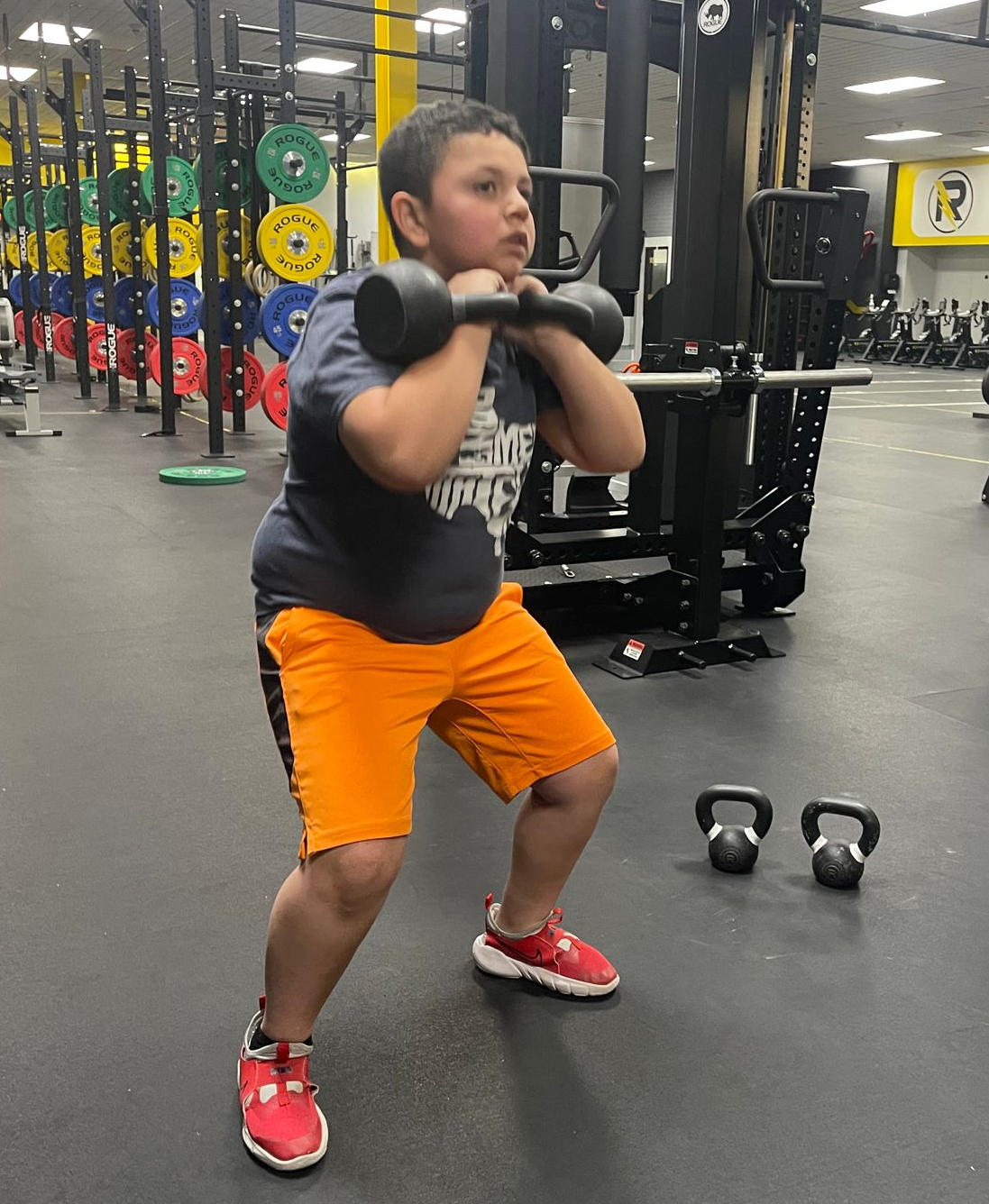
Whether your child plays competitive sports or simply needs a healthy environment to grow stronger and more confident, proper training matters.

The Real Path to Results
It’s about improving:
Metabolic health
Muscle mass
Sleep quality
Stress management
Food quality
Daily habits
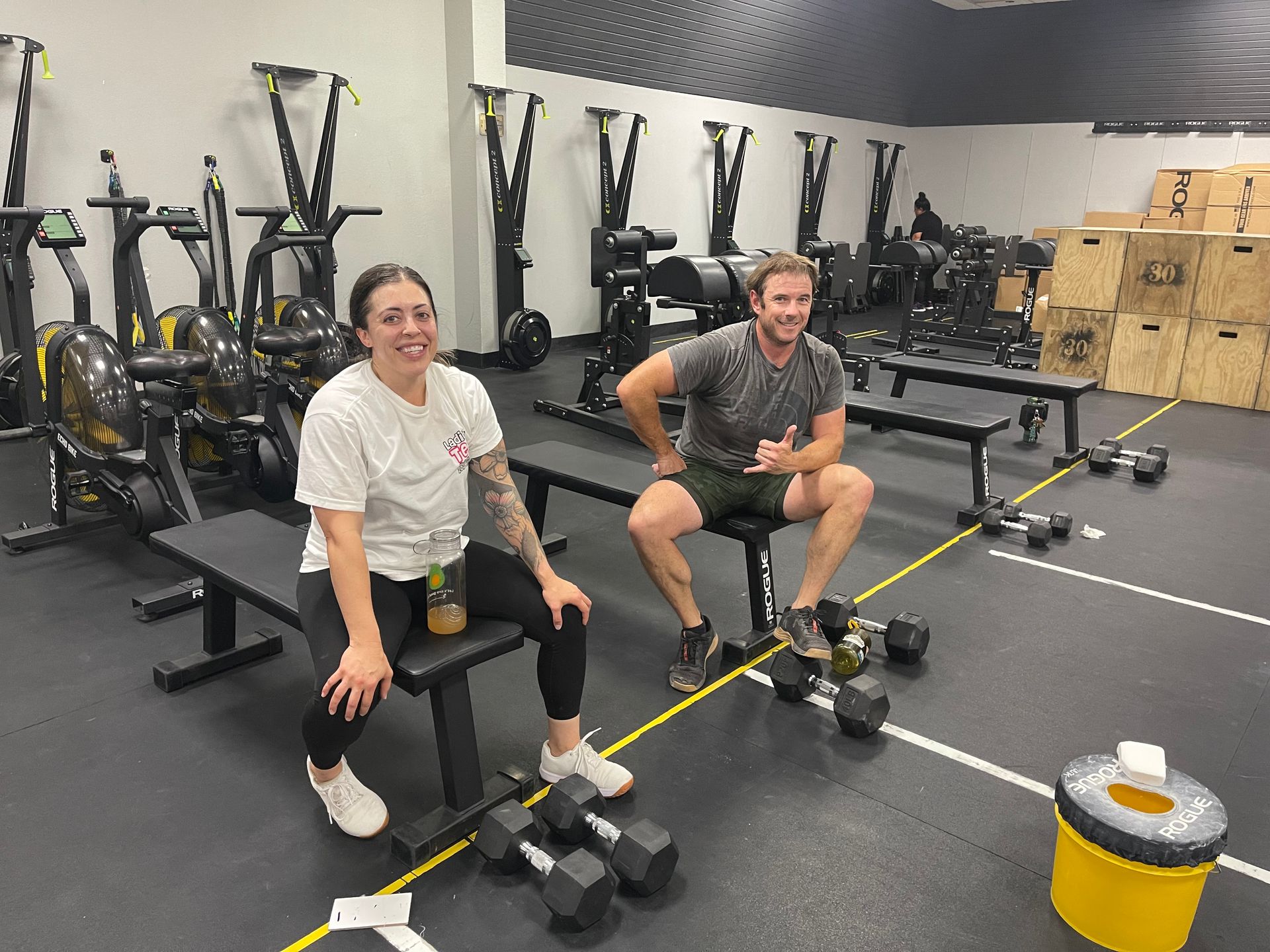
Health Is an Ongoing Process (And Why Most People Miss That)
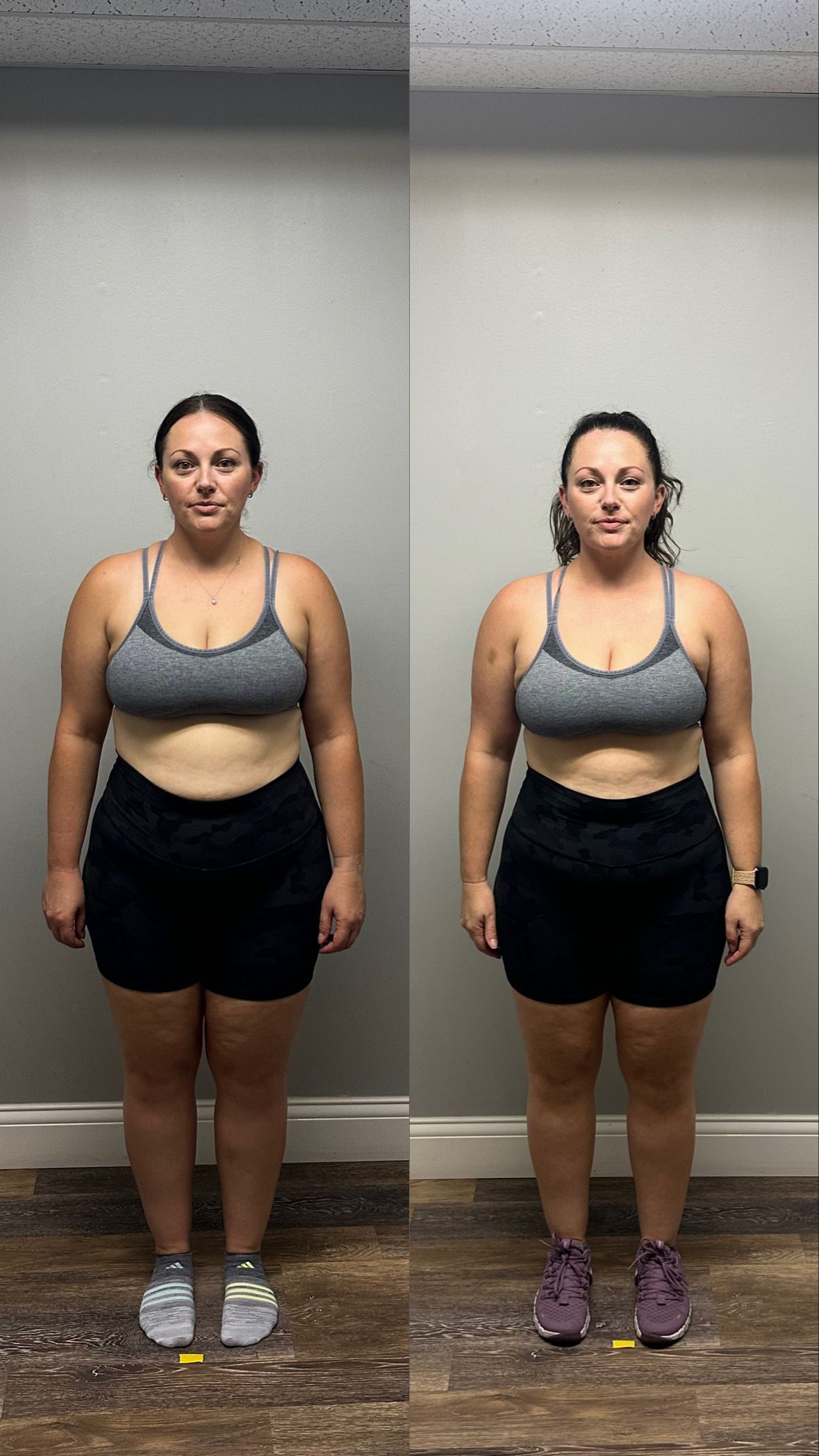
Why most people fail at weight loss
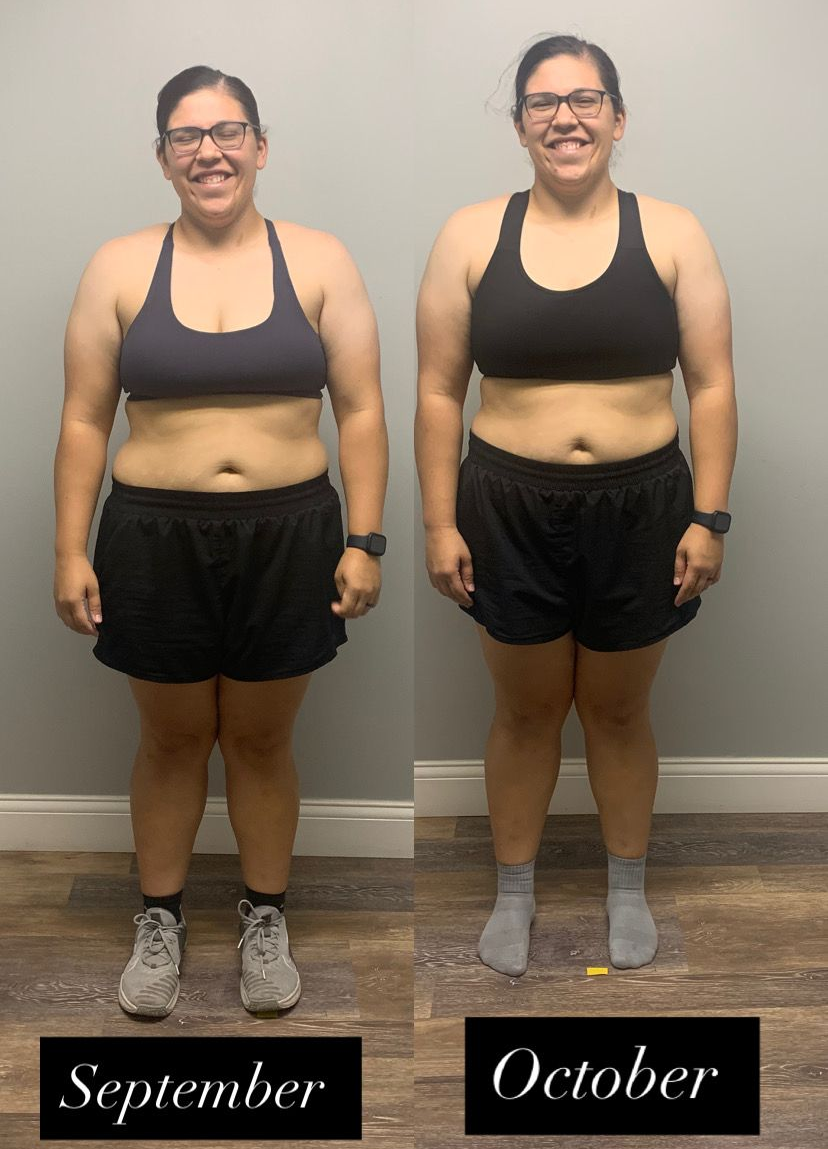
At Roswell CrossFit, we talk a lot about consistency — because it’s the quiet force behind every major transformatio n. It’s not the perfect week, the heaviest lift, or the hardest workout that changes you. It’s showing up when it’s inconvenient. It’s tracking your meals even when you “mess up.” And it’s realizing that progress isn’t built in sprints — it’s built in reps.
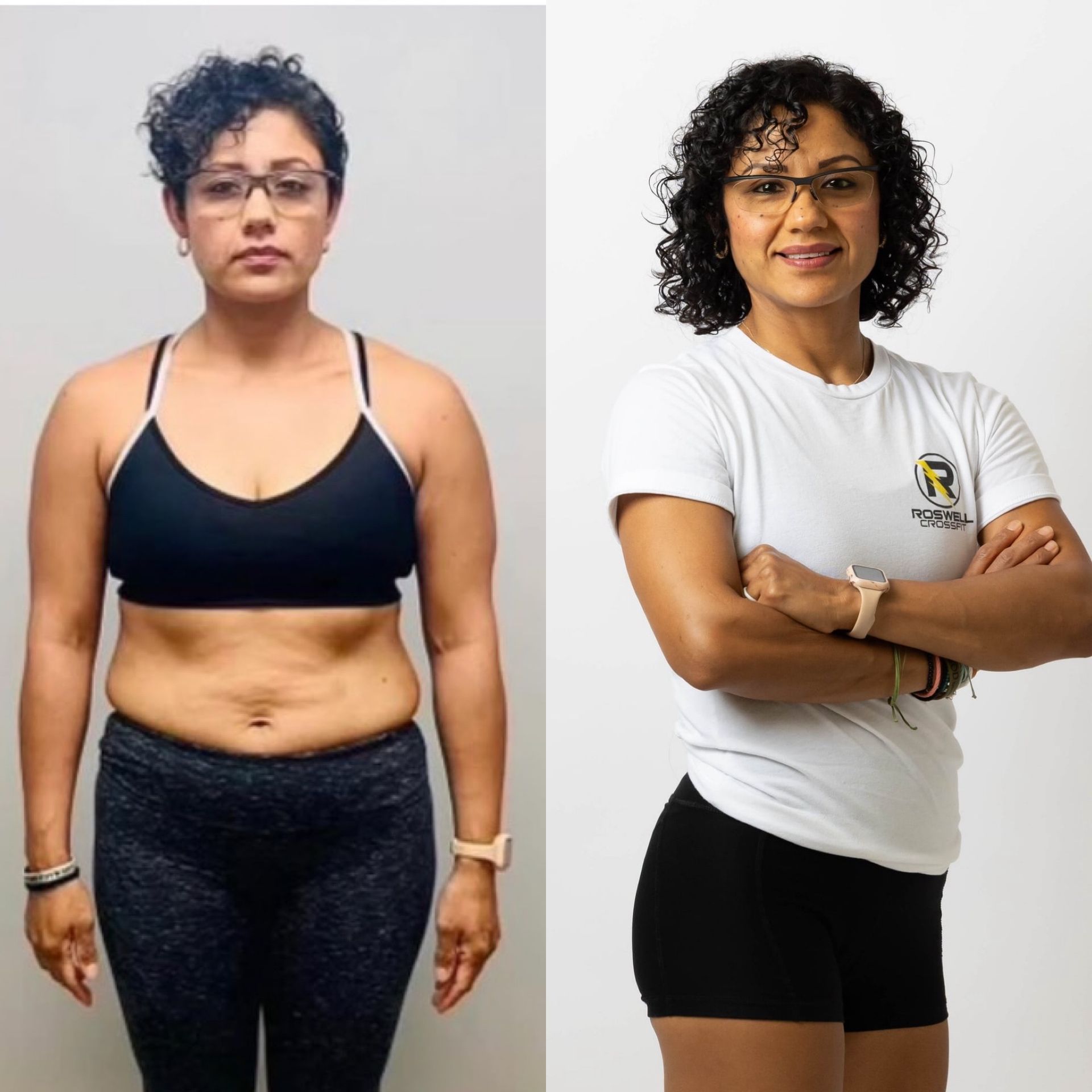
"Discover how two Roswell CrossFit members, Marga and Nic, transformed their lives through consistency and daily habits—from clients to coaches in fitness and life."
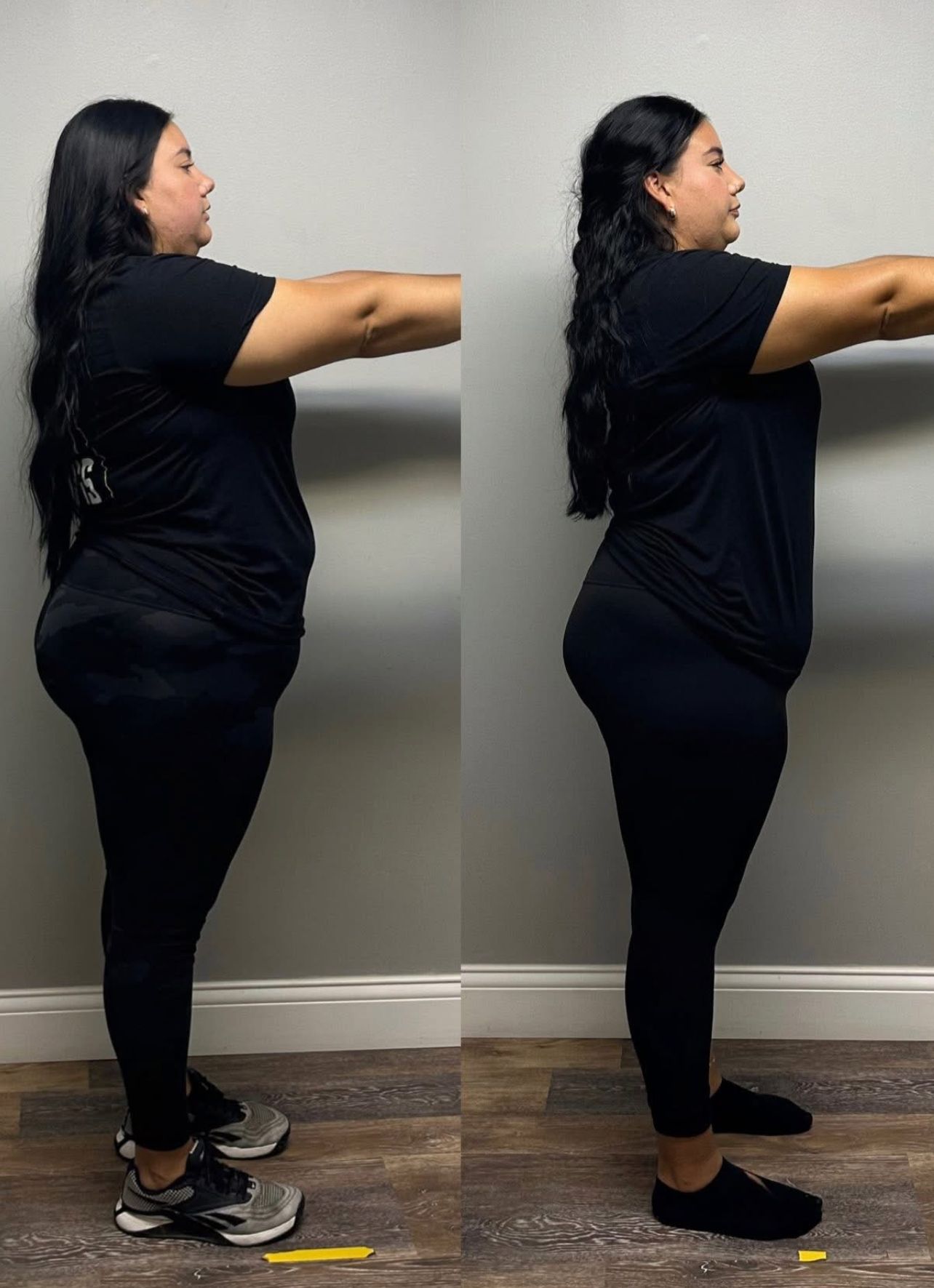
Motivation comes and goes, but consistency builds habits—and habits deliver results. Discover how Roswell CrossFit makes success simple and sustainable.
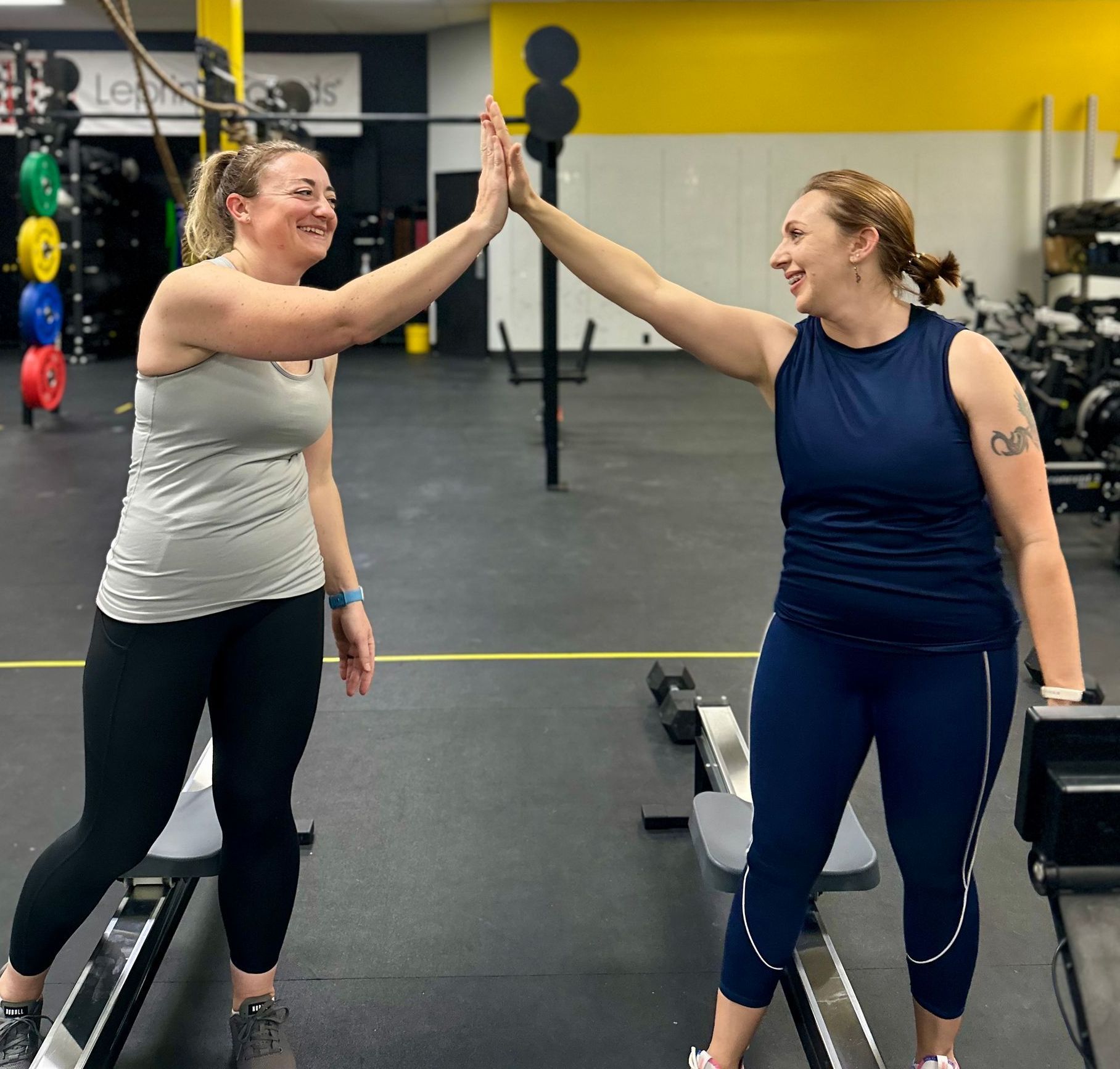
Discover how much progress you can make in just 8–12 weeks with the right program. Backed by science, this blog shows why summer is the perfect season to reset your health — especially for teachers looking to feel their best before fall.

3 step process in reducing your blood pressure if you are living with hypertension or just been diagnosed with high blood pressure.
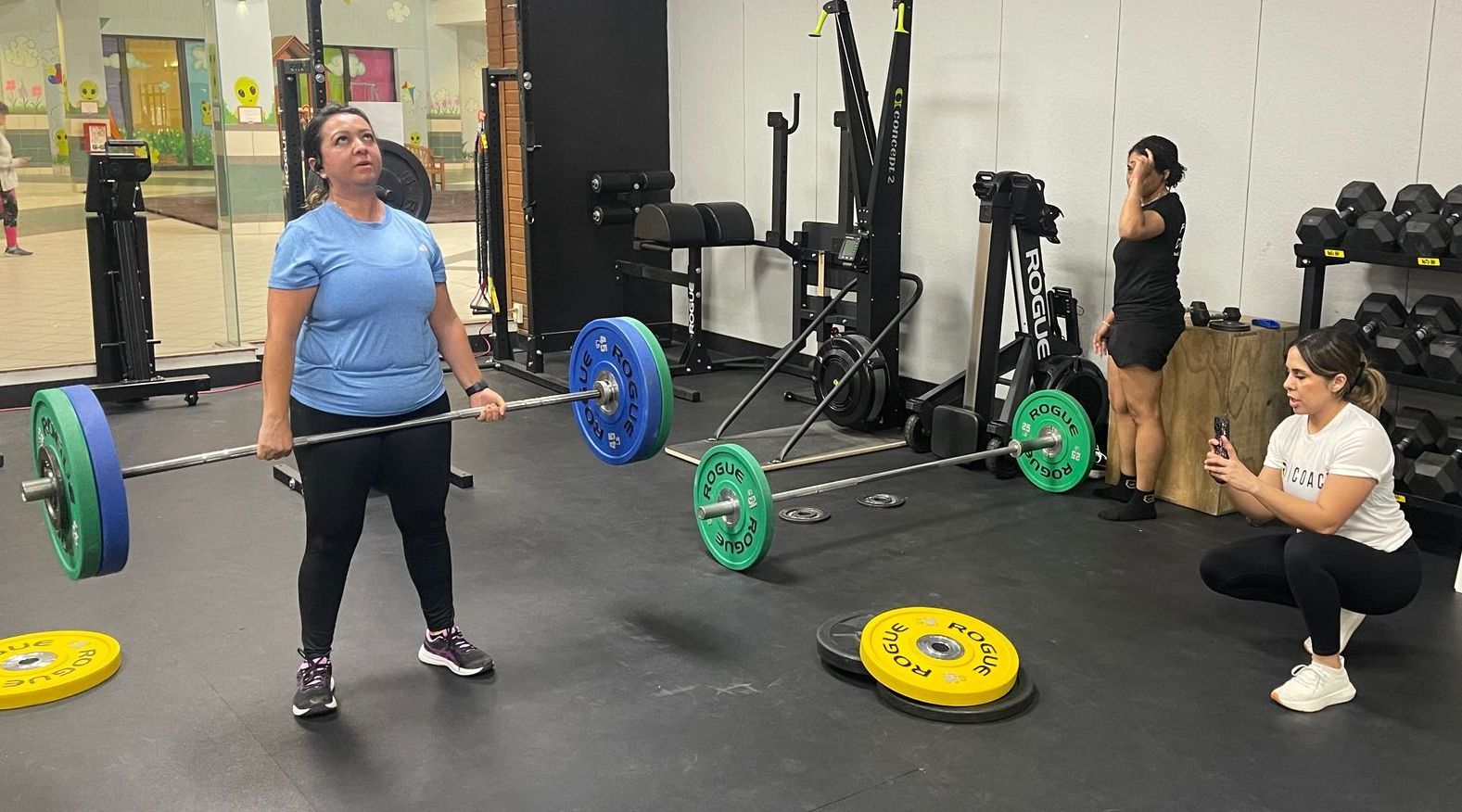
Why even the fittest athletes and most consistent gym-goers still need a coach.
At Roswell CrossFit, we believe personal training isn’t just for beginners — it’s for anyone serious about getting better, staying accountable, and reaching the next level.
Even small changes can make a massive difference when the goal is big. Having a coach or personal trainer in your corner keeps your progress focused, consistent, and built around your life — no matter how busy your schedule is.